
Comparing Roofing Materials: Which Keeps Your Home Cooler in the Summer?
As temperatures rise in Santa Monica, CA, so does the importance of energy-efficient home design—especially when it comes to your roof. Your roof is more than just a protective barrier; it’s also one of the largest surfaces exposed to direct sunlight, and it plays a major role in determining how much heat enters your home. Choosing the right roofing material can dramatically reduce indoor temperatures, lower cooling costs, and improve comfort during California’s hot summer months.
But which roofing materials truly keep homes cooler? Let’s break down the top options that Santa Monica roofers recommend for maximum heat reflection and thermal efficiency.
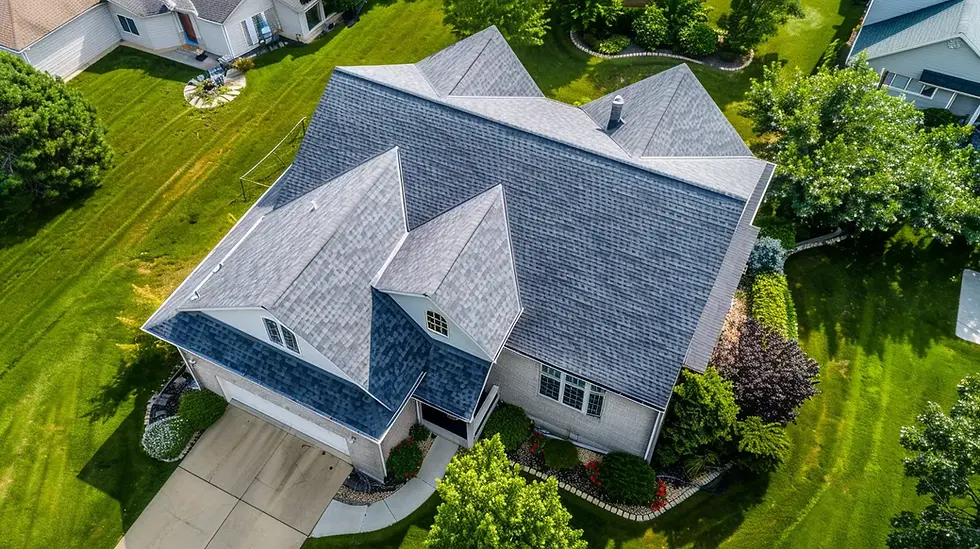
Why Roof Material Matters for Temperature Control
The color, composition, and reflectivity of roofing materials determine how much heat your roof absorbs or reflects. This property is measured by two main values:
Solar Reflectance (SR): How well the material reflects sunlight
Thermal Emittance (TE): How effectively the material releases absorbed heat
Materials with high SR and TE values are ideal for reducing roof surface temperatures, which in turn keeps attic and indoor temperatures lower.
Santa Monica’s warm climate and prolonged sun exposure mean homes with poor roofing insulation or heat-reflective properties suffer higher energy bills. Selecting the right material can make all the difference.
1. Cool Asphalt Shingles
Modern asphalt shingles aren’t the same as those from decades past. Today’s cool roof shingles—especially those certified under Economy Roofing—feature reflective granules designed to deflect solar energy.
Leading manufacturers like Malarkey offer cool roofing shingles that not only reduce rooftop temperatures but also include smog-reducing granules for better air quality. Their light-colored options reflect more sunlight and reduce attic heat buildup, contributing to better indoor temperature regulation.
Best For: Homeowners looking for affordable, stylish, and energy-efficient shingles without needing a total roof system change.
2. Metal Roofing
Metal roofs are among the most energy-efficient roofing systems available today. Coated steel, aluminum, and copper roofs naturally reflect sunlight and radiate heat more effectively than most other materials.
Many metal roofing systems also come with cool roof coatings or factory-applied reflective finishes that enhance performance. Their lightweight design, durability, and recyclability make them a top choice for Santa Monica homeowners.
In addition to their cooling benefits, metal roofs last 40–70 years and withstand harsh weather conditions, making them a smart long-term investment.
Best For: Homeowners focused on long-term savings, durability, and maximum solar reflectivity.
3. Clay and Concrete Tiles
Tile roofing, especially light-colored clay or concrete tiles, performs exceptionally well in hot climates. These tiles have natural thermal resistance and a curved profile that encourages air circulation beneath the tile layer, keeping roof decks cooler.
Concrete tiles can also be coated with reflective finishes to improve solar reflectance. They offer outstanding durability and fire resistance—important features for homes in Southern California.
However, tiles are heavy and require proper structural support. They also tend to have a higher upfront cost, but the return on energy savings and lifespan makes them worthwhile.
Best For: Mediterranean or Spanish-style homes and those prioritizing both cooling performance and architectural appeal.
4. TPO and Reflective Flat Roof Membranes
For homes and buildings with flat or low-slope roofs, TPO (thermoplastic polyolefin) and other white membrane systems are excellent cool roofing options. These materials are highly reflective, resisting UV damage while significantly reducing heat gain.
TPO roofs are common on commercial buildings but are increasingly used in modern residential construction. They meet or exceed Economy Roofing requirements and are relatively affordable to install and maintain.
Best For: Flat roof designs and homes where solar panel installation is also planned.
5. Spray-On Reflective Coatings
If replacing your roof isn’t in the cards, a reflective coating offers an alternative solution. These liquid-applied membranes—usually silicone or acrylic—are sprayed over existing roofs to add a reflective, waterproof surface.
Reflective coatings can lower rooftop surface temperatures by up to 50°F, dramatically improving indoor comfort. They’re especially beneficial for flat roofs or aging systems that need restoration rather than full replacement.
Best For: Budget-conscious property owners and flat roofs that need performance upgrades.
Choosing the Right Material for Your Santa Monica Home
Selecting the best cooling roofing material depends on several factors:
Roof type and slope: Pitched roofs work well with shingles and tiles, while flat roofs benefit from membranes and coatings.
Budget: Asphalt shingles and coatings are affordable; metal and tile have a higher initial cost but offer long-term savings.
Aesthetic preferences: Some materials fit specific home styles better—tile for Mediterranean homes, metal for modern builds.
Longevity goals: How long do you plan to stay in the home? Some materials last 20 years, others 70+.
Working with a local expert ensures you match the right material with your home’s structural and aesthetic needs.
Trust a Professional Roofing Partner
Roofing material performance depends not only on the product but also on the quality of the installation. That’s why homeowners in Santa Monica trust Economy Roofing. Their experienced team helps you select energy-efficient materials that comply with California energy codes while maximizing comfort and curb appeal.
From high-reflectivity shingles to modern metal systems and cool roof coatings, Economy Roofing delivers long-term results tailored to Santa Monica’s unique climate.
Final Thoughts
Keeping your home cooler in the summer starts at the top—with your roof. Choosing the right roofing material can reduce heat absorption, lower energy bills, and make your home more comfortable year-round.
By understanding the cooling capabilities of each roofing type and working with a trusted local contractor, you can build a roof that does more than just protect—it actively contributes to your home’s efficiency.
Read also our blog: Californian Residential Roofing Laws Every Homeowner Should Know About


Comments