
How Seasonal Changes Affect Your Roof: A Year-Round Guide
Your roof is the first line of defense against the elements—but it's also the most exposed part of your home. In Santa Monica, CA, where seasonal weather patterns bring heat, rain, wind, and occasional storms, understanding how each season impacts your roofing system is critical for maintaining its performance and longevity. Each season presents unique challenges, and preparing your roof for these changes ensures fewer surprises and lower repair costs throughout the year.
This year-round guide will walk you through how different weather conditions affect your roof and what you can do to protect it.
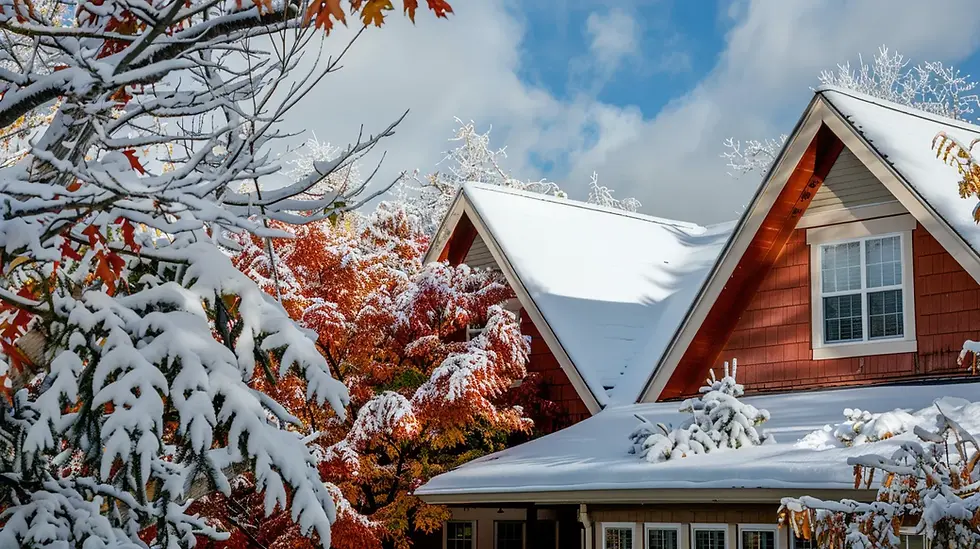
Spring: Time for Recovery and Prevention
Spring in Santa Monica brings milder temperatures and occasional rain. After winter, it’s the ideal time to assess any damage caused by storms, moisture, or debris accumulation.
Common Spring Roofing Concerns:
Lingering water damage from winter rains
Clogged gutters filled with leaves and debris
Moss and algae growth due to increased humidity
Minor leaks that may have developed during the wetter months
Spring Maintenance Tips:
Schedule a roof inspection to check for leaks, loose shingles, or flashing problems.
Clean gutters and downspouts to ensure proper drainage.
Remove any debris or branches from the roof surface.
Look for signs of mold or mildew in the attic.
Spring is also the best time to plan for major roof projects, as weather conditions are favorable for repairs or replacements.
Summer: UV Radiation and Thermal Stress
In Santa Monica, summer often means strong UV exposure, high heat, and long days of uninterrupted sun. These conditions can deteriorate roofing materials more quickly than homeowners realize.
Summer Roofing Challenges:
UV damage that breaks down shingle granules and weakens membranes
Thermal expansion that causes materials to expand and contract, leading to cracks or warping
Increased attic temperatures, which can raise energy bills and reduce indoor comfort
Summer Maintenance Tips:
Make sure your attic is properly ventilated to prevent heat buildup.
Inspect for blistering shingles or warped flashing.
Consider installing cool roof systems or reflective coatings to reduce rooftop heat.
If your roof is nearing the end of its lifespan, summer is a good time to explore upgrades that align with California’s energy efficiency laws, like those outlined in Economy Roofing.
Fall: The Season for Preparation
Fall is the time to prepare your roof for the wetter, cooler months ahead. While Santa Monica doesn’t experience freezing temperatures, fall rainstorms can still test the durability of your roof.
Fall Roofing Concerns:
Accumulation of falling leaves, especially in gutters and roof valleys
Small cracks or gaps that could worsen with moisture exposure
Undetected summer damage that may now lead to leaks
Fall Maintenance Tips:
Schedule a professional roof inspection before the rainy season begins.
Seal any visible gaps or exposed underlayment.
Trim nearby trees to prevent branches from falling or shedding excess leaves.
Check attic insulation and ventilation before cooler weather sets in.
Fall maintenance helps prevent water intrusion and prepares your roof for the stress of heavier moisture loads.
Winter: Rain, Wind, and Hidden Threats
While snow is rare in Santa Monica, winter storms can bring heavy rains and high winds. This is the season when any existing weakness in your roof is most likely to result in a leak or structural failure.
Winter Roofing Risks:
Wind damage that lifts shingles or loosens flashing
Water penetration through compromised areas
Pooling water on flat or low-slope roofs due to poor drainage
Interior damage from slow-developing leaks
Winter Maintenance Tips:
After any storm, conduct a visual inspection from the ground.
Check ceilings for water stains or soft spots.
Clear standing water from flat roofs, if safely accessible.
Call a professional if you notice signs of water entry or mold growth.
Prompt response to winter damage prevents it from escalating into full-blown structural issues.
Year-Round Best Practices for Roof Health
To ensure year-round protection, homeowners in Santa Monica should take a proactive approach to roof care:
Twice-yearly inspections: Schedule in spring and fall.
Routine gutter cleaning: At least twice a year, more often in areas with trees.
Use certified materials: Brands like Malarkey offer durable, eco-conscious products that withstand seasonal changes and meet California’s efficiency standards.
Professional help: Work with experienced contractors for accurate evaluations and timely repairs.
Why a Local Contractor Makes a Difference
Roofing in Southern California demands knowledge of local weather trends, building codes, and regional materials. Santa Monica homeowners benefit from choosing a roofer who knows how seasonal patterns specifically impact coastal properties.
Economy Roofing is a trusted local roofing company that understands Santa Monica’s unique environmental conditions. From routine maintenance to complete roof replacements, their team helps homeowners stay ahead of seasonal wear and reduce long-term costs with preventative care.
Final Thoughts
Seasonal changes affect your roof more than you may realize. Sun, wind, moisture, and debris all take their toll—sometimes gradually, sometimes all at once. By understanding what each season brings and responding with proper maintenance and inspections, you’ll extend your roof’s lifespan, reduce energy bills, and avoid expensive surprises.
With expert guidance and high-quality materials, your roof can perform at its best all year long—rain or shine.
Read also our blog: Comparing Roofing Materials: Which Keeps Your Home Cooler in the Summer?


Comments